
Nathan A Johansen, Provo, Ut
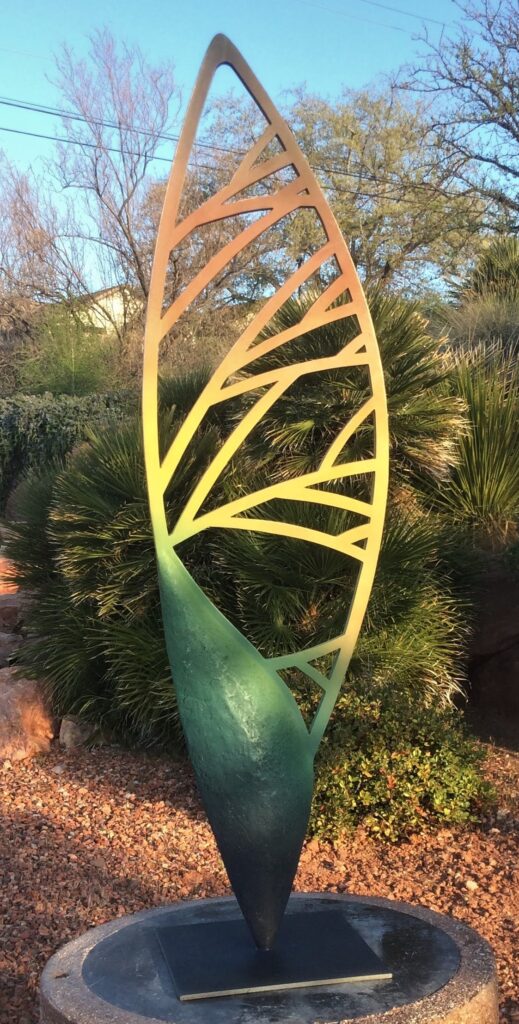
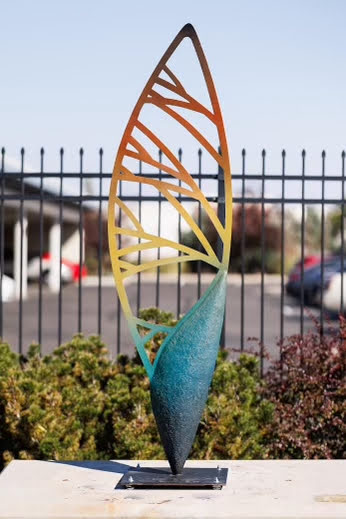
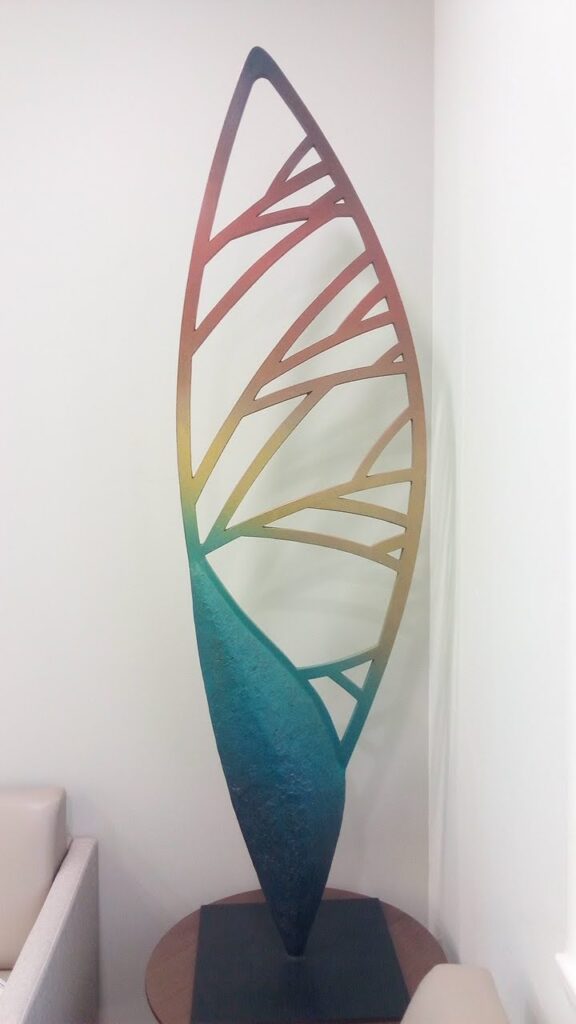
Sculpture 1 : Boxelder Seed II
Media: bronze
Dimensions: 6' x 24" x 6"
$14500
Boxelder trees are common in Utah. Every year these trees produce thousands of winged seeds that develop and grow until they are ripe and ready to fly away from the mother tree in a “whirly-bird” flying fashion. These flying seeds seek space somewhere in the earth to grow, to propagate the Boxelder tree.
Boxelder Seed is a sculptural expression of one of these winged, flying seeds. The part that grows is facing down, seeking purchase in suitable soil. This part of the seed is depicted with a green patina color suggesting the promise of life. The wing portion is abstractly deteriorating and changing, its job is complete. This portion has changed to brown, earthy tones, as it returns back to mother earth.
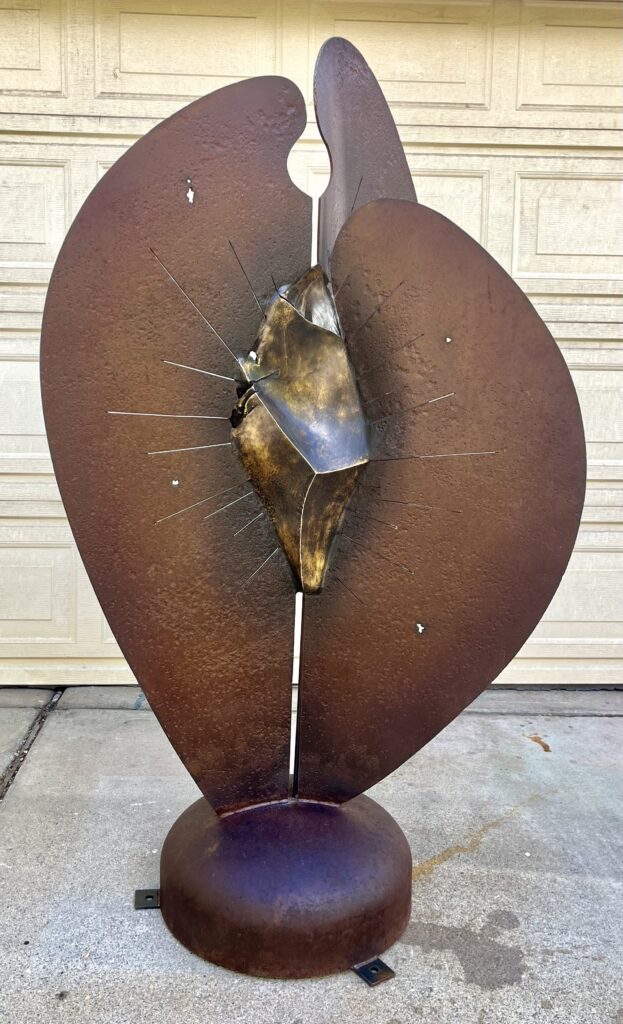
Sculpture 2 : Desert Winged Seed
Media: bronze and steel
Dimensions: 5' x 34" x 20"
$9000
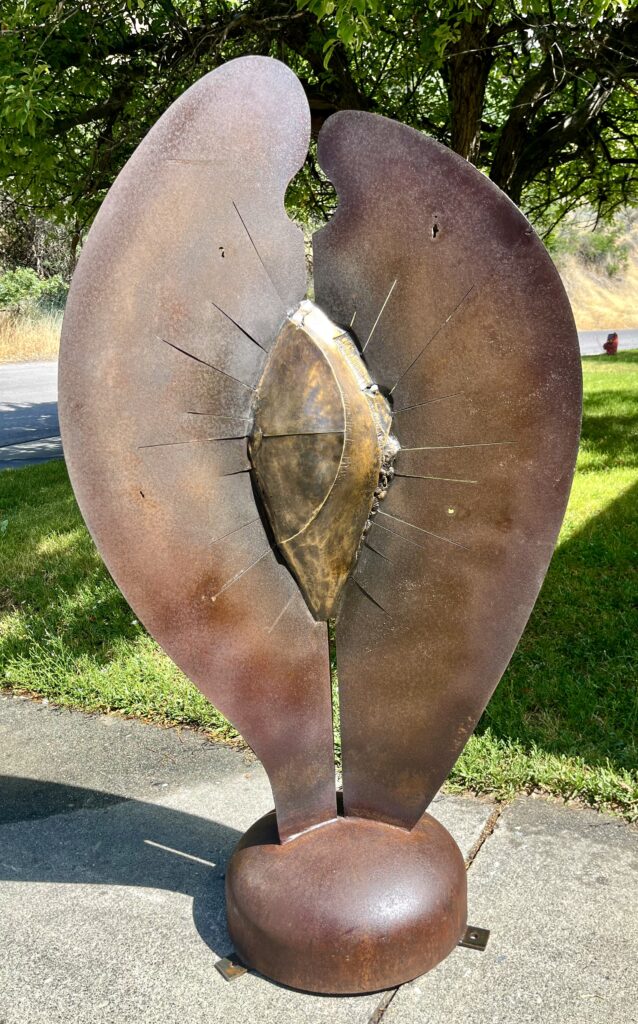
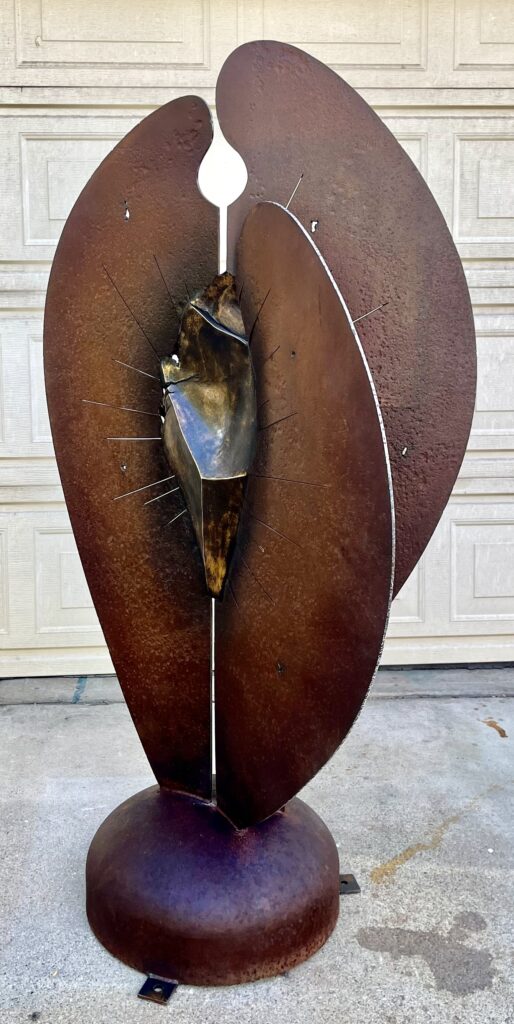
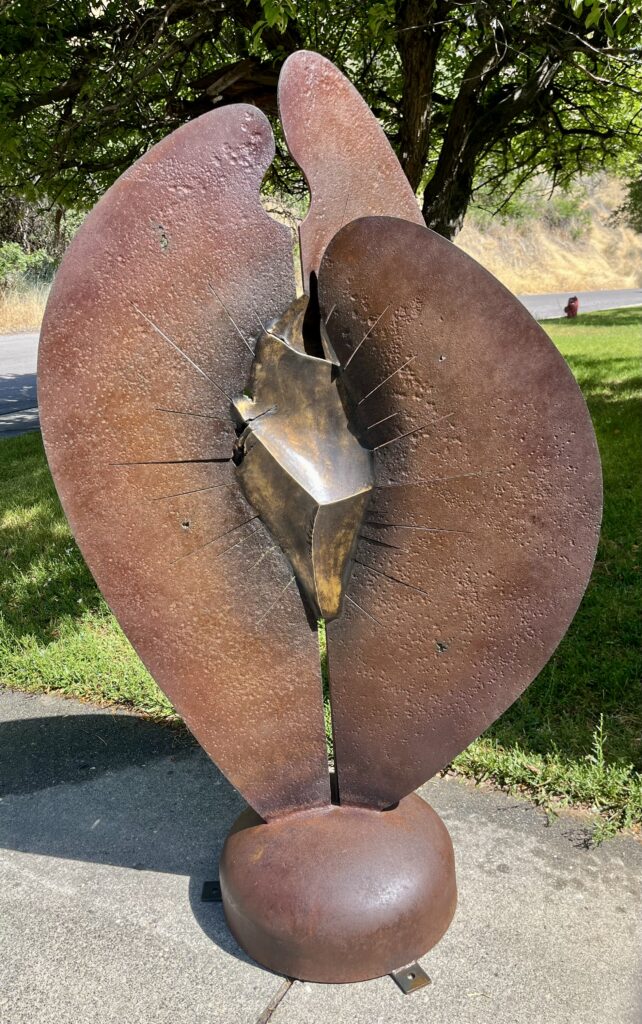
This piece, Desert Winged Seed, is made out of cast bronze and steel. The form doesn’t represent one particular plant seed, but rather was designed using a combination of several different desert seeds from Utah and the western United States. I used these combined elements to create an aesthetically pleasing form.
Some of the seeds that I took inspiration from have flanges that act as wings that can catch the wind to help disperse the seeds for propagation purposes. I find it fascinating and amazing that a plant has evolved or been designed with a way of flying its seeds away from the mother plant and scattering them using those wings to catch the wind and sow the seed. Sometimes the winged portion of the seed becomes deteriorated. As you can see in the form there’s some small holes in the wing portions and also some cut slits that represent the wing's vein patterns. I used a very old, weathered sheet of steel and enjoy that the texture of the pock marked surface of the metal adds interest to the piece.
The inner bronze portion of the seed was sculpted in modeling clay and then molded and cast in bronze and the wing portions were cut out and formed by hand from plate steel.